Timing Belt Replacement Guide for UK Drivers

A vehicle’s engine relies on many components working together with precise timing, and the timing belt is one of the most important parts of this system. Although it is often hidden from view, a timing belt plays a critical role in synchronising the movement of the engine’s camshaft and crankshaft. When this component becomes worn or fails, it can lead to serious engine damage and expensive repairs.
For drivers across the UK, understanding the importance of regular maintenance, replacement intervals, and professional inspection can help prevent unexpected breakdowns. Whether you own a family car, commercial vehicle, or performance model, recognising the signs of timing belt wear is essential for maintaining reliability and safety.

Why Timing Belt Maintenance Matters
Unlike some vehicle components that show obvious signs of damage, timing belts often deteriorate internally before visible problems appear. Most manufacturers recommend replacing the timing belt at specific mileage or age intervals, even if the vehicle appears to be running normally.
A damaged timing belt can cause the engine’s internal components to lose synchronisation. In many cases, this may result in contact between valves and pistons, leading to major mechanical failure.
Regular timing belt inspections help identify:
- Cracks or surface damage on the belt
- Excessive wear or stretching
- Issues with tensioners and guide pulleys
- Signs of oil contamination
- Abnormal engine noises linked to timing components
Preventative maintenance is generally more cost-effective than dealing with the consequences of a sudden belt failure.
The Growing Importance of Professional Timing Belt Replacement Services
Modern engines have become increasingly advanced, with manufacturers designing smaller, more efficient power units. While these developments improve fuel economy and performance, they also require greater precision during servicing.
Professional Timing Belt Replacements Services involve more than simply changing the belt. Experienced technicians typically inspect related components, including tensioners, water pumps, and pulleys, because these parts often operate together and may influence the overall lifespan of the system.
A complete replacement process usually includes:
- Vehicle assessment and manufacturer specification checks
- Removal of protective covers and existing timing components
- Inspection of associated engine parts
- Installation of a new timing belt and required components
- Final testing to confirm correct engine operation
Replacing supporting parts during the same service can help reduce the likelihood of future problems and avoid additional labour costs.
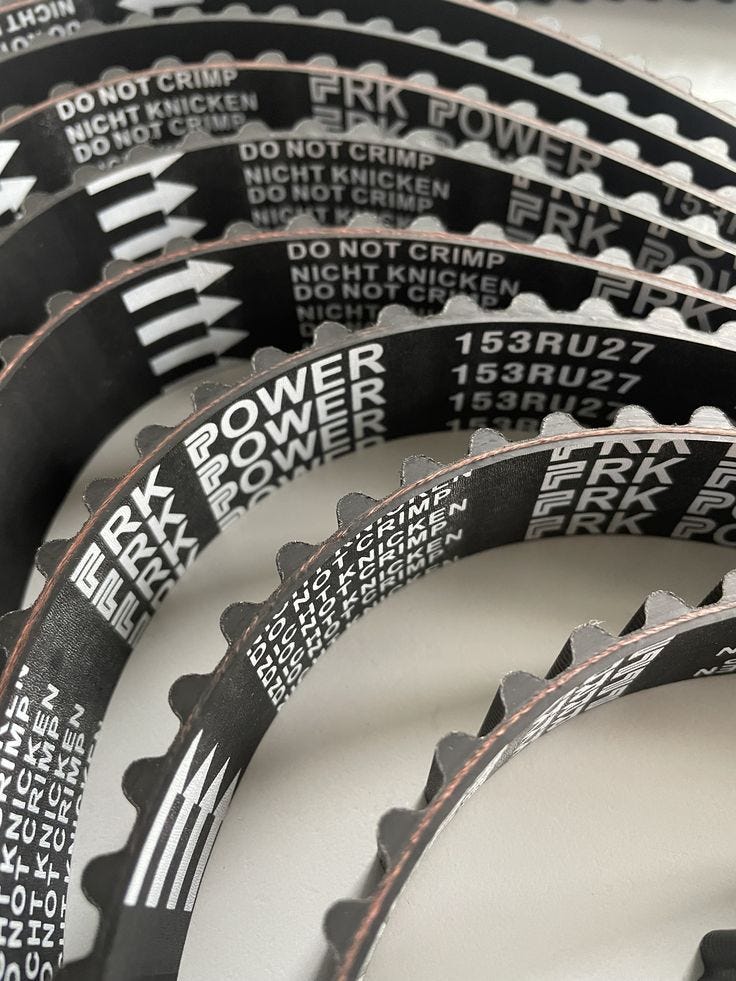
Timing Belt Replacement Trends Across the UK
Across the automotive industry, preventative maintenance has become a stronger focus among vehicle owners. Rising repair costs and increased vehicle ownership periods mean many drivers are choosing to maintain existing cars rather than replace them.
This has increased demand for reliable Timing Belt Replacements UK services, particularly as vehicles become older and require scheduled maintenance.
Several factors influence replacement timing, including:
- Vehicle age and mileage
- Manufacturer recommendations
- Driving conditions
- Engine design
- Previous servicing history
Cars used frequently for long journeys, heavy traffic, or short-distance driving may experience different wear patterns compared with vehicles used occasionally.
Another important trend is the growing awareness of wet timing belt systems. These belts operate inside the engine and are exposed to oil, which can improve efficiency but also requires careful maintenance. Understanding the wet timing belt replacement cost helps drivers plan ahead and avoid unexpected repair expenses.
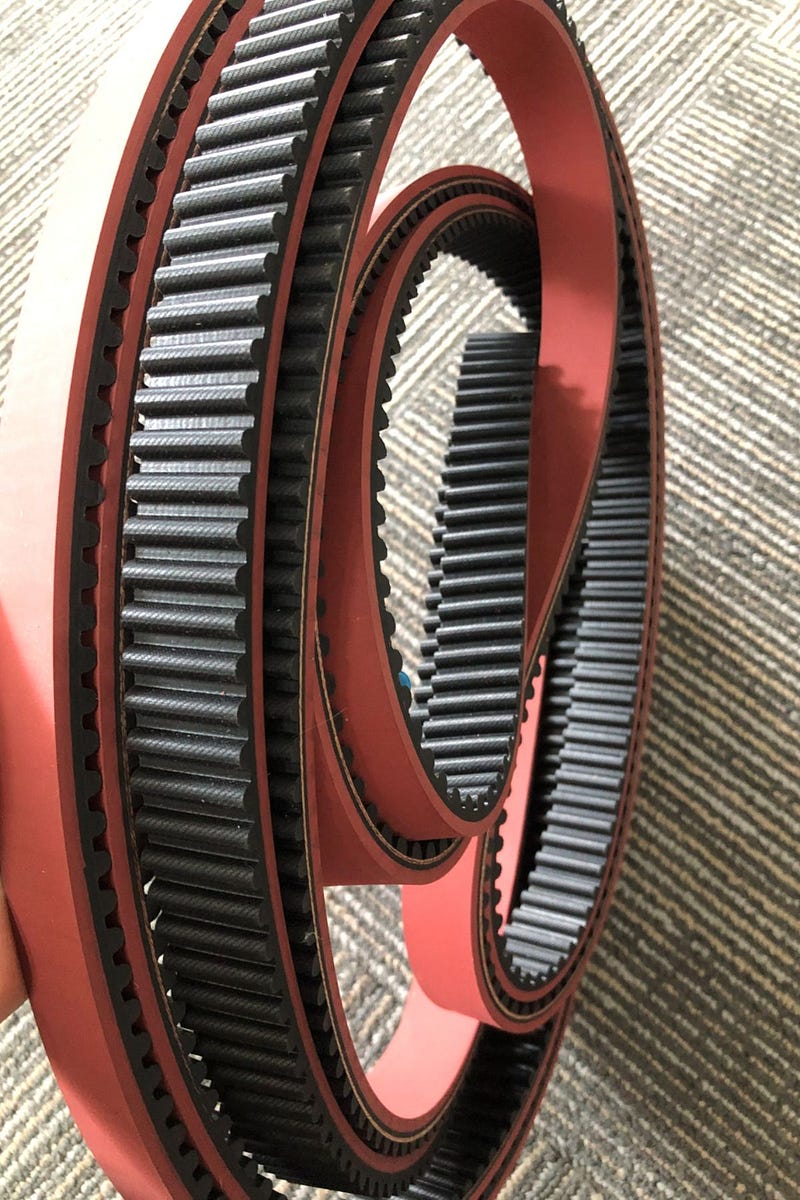
Common Timing Belt Problems and How to Avoid Them
One of the biggest challenges with timing belts is that problems are not always obvious until failure occurs. Drivers may ignore early warning signs because the vehicle continues to operate normally.
Common indicators of potential timing belt issues include:
- Ticking or unusual engine sounds
- Difficulty starting the vehicle
- Engine misfires
- Reduced performance
- Visible belt wear during inspection
However, waiting for symptoms is not recommended because timing belts can fail without much warning.
To reduce risks, vehicle owners should:
- Follow the servicing schedule provided by the manufacturer
- Keep records of previous Timing Belt Replacements Trowbridge
- Use qualified technicians for inspections and repairs
- Replace related components when recommended
- Address oil leaks quickly to prevent belt contamination
These simple practices can improve engine reliability and extend vehicle lifespan.
Choosing the Right Approach for Timing Belt Maintenance
Selecting an experienced automotive service provider is an important part of maintaining engine health. Technicians with knowledge of different vehicle manufacturers can identify specific requirements and follow correct replacement procedures.
For example, S&M Auto Service provides timing belt replacement guidance and maintenance solutions for drivers looking for professional support with timing systems. Their service information highlights the importance of correct procedures, quality components, and careful inspection during replacement work.
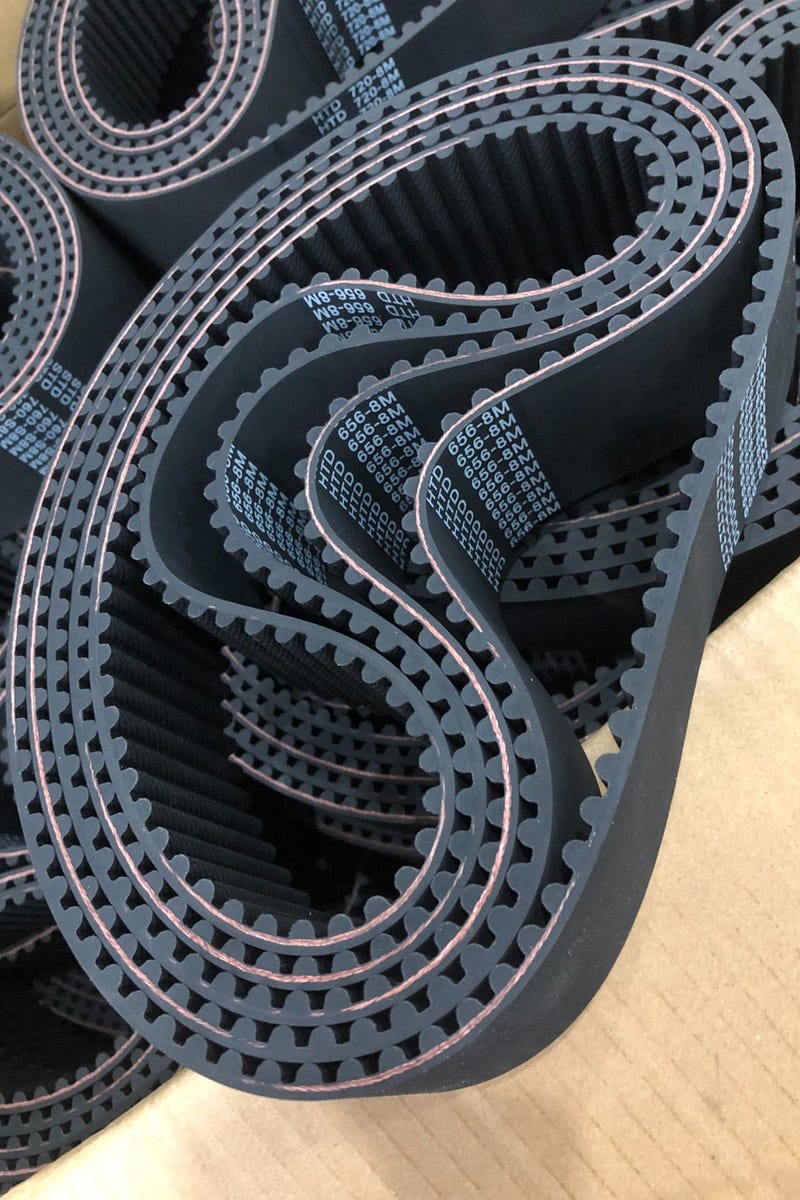
Vehicle owners should consider factors such as technical experience, equipment availability, and attention to manufacturer guidelines when arranging maintenance.
Final Thoughts
Timing belts may be small components, but their role in engine operation is extremely significant. Regular inspections and scheduled replacement can prevent costly engine damage while improving vehicle reliability.
Understanding Timing Belt Replacements Trowbridge and wider Timing Belt Replacements UK options allows drivers to make informed maintenance decisions. By recognising warning signs, following recommended service intervals, and choosing skilled professionals, motorists can protect their vehicles and reduce the risk of unexpected repairs.
A proactive approach to timing belt care is one of the most effective ways to support long-term engine performance and road safety.


Comments
Post a Comment