Best 10 Benefits of Using Custom Sticker Printing for UK Businesses

Stickers are one of the simplest ways for businesses to add branding, product information, and visual appeal to packaging. From small independent retailers to established e-commerce brands, businesses across the UK use stickers for everything from product labels and promotional materials to packaging seals and personalised branding.
However, choosing the right stickers involves more than selecting an attractive design. Material, adhesive, finish, size, printing quality, quantity, and intended application can all affect the final result. Understanding these factors can help businesses achieve professional-looking packaging without unnecessary expenditure.
For companies considering custom sticker printing UK, the key is to balance appearance, durability, and cost according to the purpose of the sticker.
Why Custom Stickers Remain Popular in UK Packaging
The growth of e-commerce and small-scale product businesses has increased demand for flexible packaging solutions. Stickers allow businesses to personalise standard packaging without having to manufacture completely customised boxes, bags, bottles, or containers.
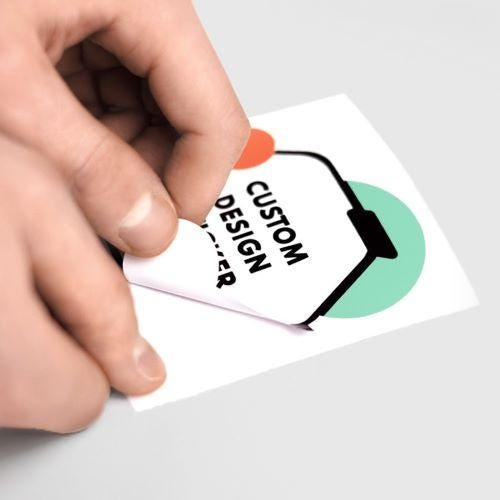
A well-designed sticker can be used to:
- Display a company logo or brand name
- Add product information
- Seal boxes, envelopes, and tissue paper
- Promote a seasonal campaign
- Communicate ingredients or product details
- Create a handmade or personalised appearance
- Add QR codes linking customers to digital content
- Provide warnings, instructions, or handling information
This flexibility makes custom sticker printing useful across retail, food and beverage, cosmetics, handmade products, subscription boxes, events, and online businesses.
Another advantage is design flexibility. Businesses can select different shapes, dimensions, colours, finishes, and materials to create stickers that match their existing visual identity.

What Determines the Cost of Custom Stickers?
Businesses often search for custom stickers cheap enough for regular packaging use, but the lowest initial price does not necessarily represent the best overall value.
Sticker pricing usually depends on several factors.
Quantity
Ordering a larger quantity can reduce the cost per sticker because printing and setup expenses are distributed across more units. Businesses that use the same design regularly may therefore benefit from planning their requirements in advance.
On the other hand, ordering excessive quantities can create waste if packaging designs, contact details, or product information are likely to change.
Size and Shape
Larger stickers generally require more material, while unusual shapes may require additional cutting considerations. Standard circular, square, rectangular, and oval formats can sometimes be more economical than highly complex shapes.
The right choice should therefore depend on the available packaging space rather than simply selecting the largest possible sticker.
Material
Paper stickers can be suitable for many indoor applications, particularly where cost and appearance are priorities. Synthetic materials may be more appropriate where stickers need greater resistance to moisture, handling, or environmental exposure.
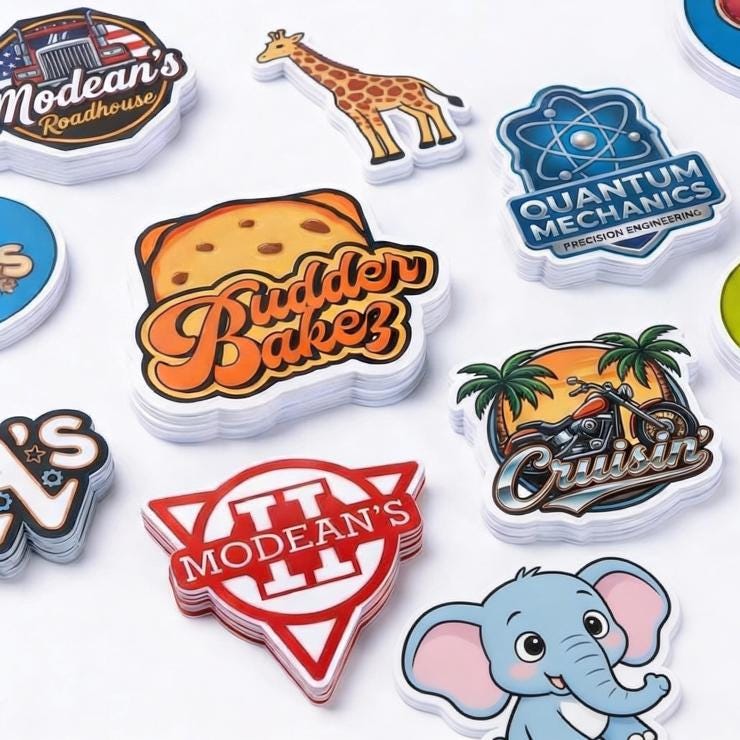
Material selection should always reflect how and where the sticker will be used.
Finish
Gloss, matte, transparent, and specialty finishes can produce very different visual effects. A glossy surface can make colours appear vibrant, while matte materials can provide a more understated and premium appearance.
For businesses seeking inexpensive sticker printing, a straightforward material and finish can often provide a professional result without adding unnecessary production costs.
How to Get Affordable Sticker Printing Without Sacrificing Quality
The phrase cheap sticker printing UK can sometimes create the impression that affordability and quality are opposites. In reality, careful planning can help reduce costs while maintaining a professional appearance.
Start by determining the exact purpose of the stickers. A product label that needs to withstand refrigeration or moisture has different requirements from a paper seal used on a cardboard gift box.
Businesses can also control costs by:
- Choosing an appropriate material rather than automatically selecting premium options.
- Using practical dimensions that fit the packaging efficiently.
- Ordering sensible quantities based on realistic usage.
- Preparing artwork correctly to minimise production delays or corrections.
- Using one adaptable design across multiple packaging applications where appropriate.
- Comparing specifications rather than prices alone when reviewing printing options.
The objective should be value rather than simply finding the lowest quoted figure.

A sticker that looks poor, peels away quickly, or has inaccurate colours can negatively affect packaging presentation and may result in additional replacement costs.
Choosing an Online Sticker Printer
An online sticker printer can make the ordering process convenient, particularly for businesses that already have print-ready artwork. Online printing services typically allow customers to specify quantities, sizes, shapes, materials, and finishes before submitting their designs.
Before selecting a provider, businesses should consider several practical questions:
- What materials are available?
- Are different adhesive options offered?
- Can the printer produce custom shapes?
- What artwork specifications are required?
- Are proofing or artwork-checking services available?
- What finishes can be selected?
- Are small quantities possible?
- How are colours reproduced?
- What are the expected production and delivery times?
It is also useful to check whether the printer clearly explains its specifications. Information about bleed, resolution, colour modes, file formats, and safe areas can help prevent avoidable artwork problems.
For businesses in and around the capital, sticker printing London is another commonly searched service category. However, location should not be the only consideration. Production capabilities, material choices, consistency, and communication are equally important when selecting a printing partner.
Common Sticker Printing Problems and How to Avoid Them
Even a strong design can produce disappointing results if technical details are overlooked.
Poor Image Resolution
Low-resolution images can appear blurred or pixelated when printed. Logos and important graphics should be supplied in suitable high-resolution formats whenever possible.
Incorrect Colour Expectations
Colours displayed on a computer or phone screen may not appear exactly the same in physical print. Businesses should understand the printer’s colour process and consider proofing when accurate brand colours are particularly important.
Inadequate Bleed
Designs that extend to the edge of a sticker generally require appropriate bleed. Without it, small cutting variations can potentially create unwanted white edges.
Choosing the Wrong Adhesive
A sticker designed for smooth cardboard may not perform in the same way on glass, plastic, textured packaging, or other surfaces. Surface condition and intended environment should be considered before selecting an adhesive.
Ignoring the Application Surface
Dust, grease, moisture, and uneven surfaces can reduce adhesion. Even a high-quality sticker may fail if applied to an unsuitable or poorly prepared surface.

Where Custom Stickers Can Add Value
The usefulness of stickers extends beyond traditional product labelling.
E-commerce businesses can use branded stickers to create consistency across shipping boxes and mailers. Independent retailers can use them for promotional campaigns, loyalty messages, and seasonal packaging.
Food producers may use stickers for product information, batch identification, or branding. Handmade businesses can add logo stickers to simple packaging to create a more recognisable customer experience.
They can also support interactive marketing. A QR code printed on a sticker can direct customers to a website, product instructions, social media profile, review page, or promotional campaign.
For businesses interested in exploring different formats and applications, The Quantum Print provides information about its custom sticker printing options as one example of how printed stickers can be incorporated into packaging and retail materials.
Trends Shaping Sticker Printing in the UK
Several trends are influencing the way businesses approach printed stickers.
Minimalist branding remains popular, with businesses often favouring clean typography, limited colour palettes, and simple logos.
Personalisation is also becoming more important. Small businesses can produce stickers for seasonal launches, limited editions, events, or specific customer groups without redesigning their entire packaging system.
QR codes and digital integration are another growing application. A small printed sticker can provide a physical connection to online information.

Sustainability is also receiving greater attention. Businesses are increasingly considering the materials used in labels and packaging, as well as the overall amount of packaging required. Depending on the application, material choices can be evaluated alongside adhesive requirements, durability, and disposal considerations.
Final Considerations Before Ordering
Before sending artwork to a printer, it is worth creating a short checklist:
- Confirm the sticker’s purpose and application surface.
- Select an appropriate material and adhesive.
- Measure the available packaging area.
- Choose a practical size and shape.
- Check artwork resolution and dimensions.
- Confirm bleed and safe-area requirements.
- Review colour specifications.
- Decide whether a matte, gloss, transparent, or other finish is appropriate.
- Calculate realistic quantity requirements.
- Check production and delivery times.
This preparation can prevent many common printing issues and make the final product more consistent.

Conclusion
Custom stickers offer businesses a practical way to improve packaging, communicate information, and strengthen brand recognition without completely redesigning their existing packaging. From product labels and box seals to promotional campaigns and QR-code applications, their uses are remarkably broad.
For businesses researching custom sticker printing UK, the most important consideration is not simply finding the cheapest option. Material suitability, artwork quality, durability, quantity, finish, and application should all be considered together.
By understanding these factors and planning requirements carefully, businesses can achieve attractive and functional stickers while keeping printing costs under control. Whether working with a local supplier or an online printing service, an informed approach helps ensure that the finished stickers support both the practical and visual requirements of modern UK packaging.
https://we2chat.net/read-blog/17472
For bakeries, cafés, home-based bakers, supermarkets, and food retailers, packaging is more than a container for…bresdel.com
How Much Does Packaging Cost for a Product? 2026 UK Pricing Guide
How Do I Design My Own Product Packaging? 10 Expert Steps
Comments
Post a Comment