Custom Bottle Neck Tags: A Smart Packaging Choice for UK Brands

Packaging does more than protect a product during storage and transportation. For many businesses, it is also an important communication tool that helps customers understand what a product is, where it comes from, and why it is different. In competitive retail environments, even small packaging details can influence how a product is perceived.
Bottle-based products provide a particularly useful opportunity for additional packaging. Drinks, sauces, oils, spirits, beauty products, condiments, and speciality foods can all use the space around the bottle neck to communicate information without changing the main label. This is where custom bottle neck hang tags can provide a practical and visually distinctive packaging solution.
Across the UK packaging, retail, and e-commerce sectors, businesses are increasingly looking for flexible ways to combine branding, product information, promotions, and customer engagement. Bottle neck tags can support these objectives while requiring relatively little physical space.
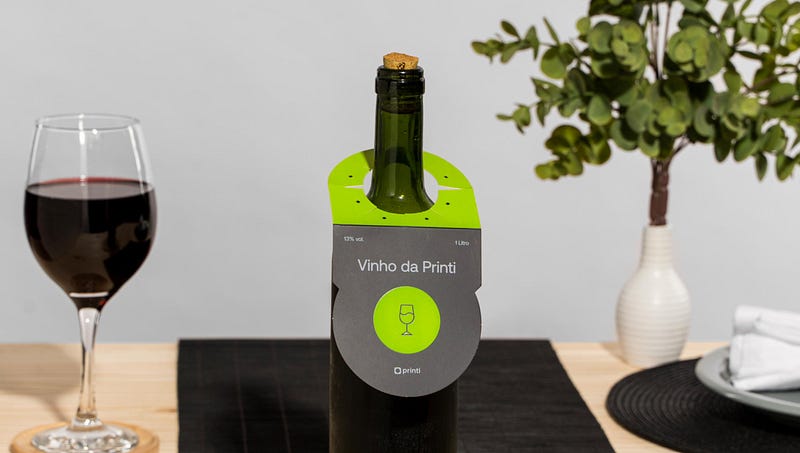
Why Bottle Neck Tags Matter in Modern Packaging
Traditional bottle labels normally focus on essential product information such as the product name, ingredients, volume, usage information, branding, and regulatory details. However, there is often limited room for additional messaging.
A bottle neck tag creates a separate communication area.
Instead of overcrowding the primary label, businesses can use a hanging tag to present supplementary information in a concise format. This can be particularly useful for premium products where clean and uncluttered packaging is part of the overall presentation.
For example, a bottle neck tag could contain:
- A short product story
- Serving or usage suggestions
- Promotional information
- A QR code
- A seasonal message
- A gift message
- Sustainability information
- Brand storytelling
- Product recommendations
- Event or campaign information
This makes bottle neck tags useful across different industries rather than limiting them to one specific product category.
Choosing the Right Custom Bottle UK Packaging Approach
When developing custom bottle UK packaging, businesses need to consider how different packaging elements work together. The bottle, primary label, closure, secondary packaging, and additional printed materials should create a consistent visual identity.

Bottle neck tags can complement this system by adding another layer of communication.
For example, a small food producer might use its main bottle label for the brand and product information while using the neck tag to explain the production process. A drinks company could use the tag to provide serving recommendations or introduce a new flavour.
The physical design should also match the bottle and its surroundings. A tag that is too large may interfere with handling, while one that is too small may become difficult to read.
Important design considerations include:
- Tag dimensions
- Paper or card thickness
- Shape and cut
- Hole or attachment position
- Print quality
- Colour consistency
- Typography
- Finishing options
- Resistance to handling
- Compatibility with bottle closures
The goal is not simply to make a decorative item. Effective packaging should combine appearance with usability.

The Growing Role of Custom Bottle Neck Tags UK
The UK retail market includes a wide range of independent producers, established brands, hospitality businesses, gift companies, and e-commerce retailers. Many of these businesses compete through product presentation as well as product quality.
This has increased interest in packaging that feels more individual and purpose-built.
Custom bottle neck tags UK businesses use can be adapted to different campaigns and product categories. A business may use one design for its standard range and create alternative versions for Christmas, Valentine’s Day, weddings, corporate gifting, product launches, or limited editions.
This flexibility can be especially valuable for smaller brands that do not want to redesign their entire bottle packaging for every campaign.
A neck tag can simply be updated while the main packaging remains consistent.
This approach can also support seasonal merchandising. For example, a bottle intended as a Christmas gift could feature a seasonal message or QR code without requiring a completely new bottle label.

Practical Applications Across Different Industries
One of the strongest advantages of bottle neck tags is their versatility. They can be used wherever a bottle provides a suitable surface and neck structure.
Food and Beverage
Olive oil, vinegar, sauces, syrups, juices, speciality drinks, and other bottled food products can use tags to communicate recipes, serving ideas, product origins, or promotional messages.
A small producer could use a QR code linking customers to recipe ideas, for example. This transforms packaging into a pathway to additional digital content.
Hospitality
Restaurants, hotels, bars, and catering businesses can use bottle neck tags for special events or branded products. A tag might identify a house-made product, communicate a celebration message, or provide information about a particular offering.
Gifts and Events
Personalised packaging is increasingly relevant to weddings, corporate events, birthdays, and hospitality experiences. Custom bottle neck tags London businesses and event suppliers can use can be designed around a particular occasion, name, date, or message.
The same principle can apply throughout the UK for event-based packaging.
Beauty and Personal Care
Certain beauty, bath, fragrance, and personal-care products are packaged in bottles. Neck tags can provide information about product benefits, usage recommendations, gift messages, or brand values while maintaining a clean primary label.
Designing Effective Custom Bottle Neck Tags
Good design begins with the intended purpose of the tag.

Before choosing colours or graphics, businesses should determine what the tag needs to achieve. Is it intended to provide information, support a promotion, strengthen brand recognition, or improve the gifting experience?
Once the purpose is clear, the content can be reduced to its most useful elements.
A practical design process can include:
1. Define the message
Identify the single most important piece of information the customer should notice.
2. Match the existing packaging
Use compatible fonts, colours, imagery, and branding so the tag looks like part of the same packaging system.
3. Prioritise readability
Decorative typography may look attractive but can become difficult to read at a small size. Clear type is particularly important for product information and QR codes.
4. Consider the material
Card thickness, texture, and finish can influence both appearance and durability. The material should be appropriate for the bottle and expected handling conditions.
5. Test the physical fit
A digital design may look correct on screen but behave differently when placed on an actual bottle. Checking the hole position, dimensions, and hanging method can prevent production problems.

Common Challenges and How to Avoid Them
Although bottle neck tags are relatively simple packaging components, poor planning can reduce their effectiveness.
One common issue is overcrowding. Trying to include too much text can make a small tag difficult to read. Keeping the message focused generally produces a stronger result.
Another challenge is selecting an unsuitable material. Bottles may be handled frequently, stored in different environments, or transported through fulfilment networks. The tag therefore needs to be sufficiently robust for its intended application.
Attachment is another consideration. The tag must hang securely without interfering with the bottle cap, closure, shelf display, or customer handling.
Businesses should also check QR codes at the final printed size if they are being used. A code that works perfectly on a computer screen may not scan reliably if reproduced too small or with insufficient contrast.
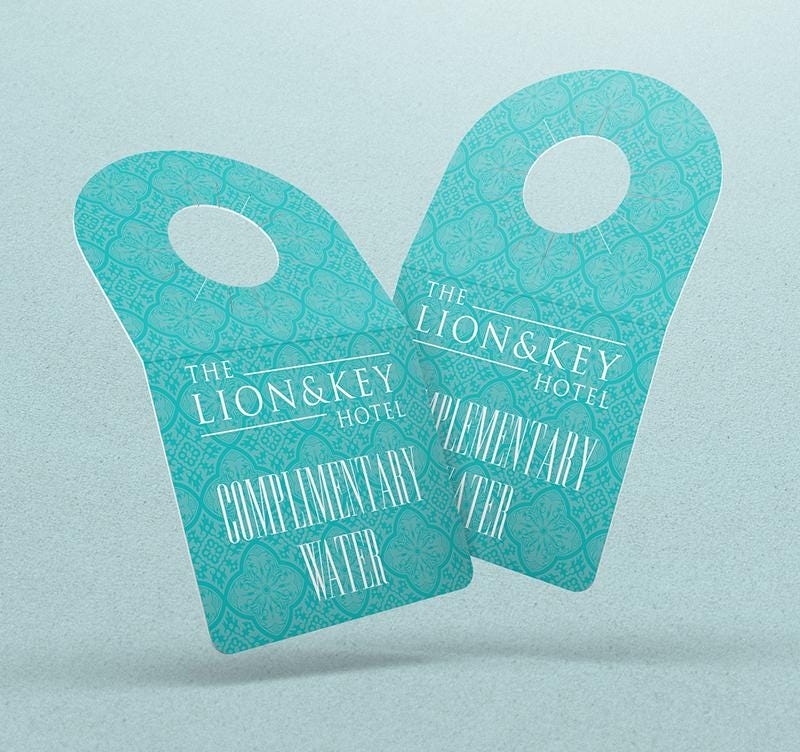
For businesses exploring custom bottle neck tags, working from an actual bottle sample can make the design and production process considerably more reliable.
Customisation and Brand Storytelling
Modern packaging increasingly focuses on creating a connection between the customer and the product. Consumers may want to know more about a brand’s origins, manufacturing approach, ingredients, sustainability efforts, or values.
A bottle neck tag offers a compact space for this type of storytelling.
For example, a producer could use the tag to introduce the people behind the business, explain where ingredients are sourced, or direct customers to a longer story online.
This is particularly useful for products positioned around craftsmanship, provenance, local production, or speciality ingredients.
Companies such as Tags and Bags provide examples of how specialised printed packaging components can be developed for specific bottle-based applications, including location-focused requirements such as London.

Final Thoughts
Packaging does not need to become larger or more complicated to become more useful. Sometimes, a small additional component can create valuable space for communication.
Custom bottle neck tags UK businesses use can support branding, product education, promotions, seasonal campaigns, gifting, and digital engagement while leaving the primary bottle label uncluttered.
The most effective approach is to start with the customer’s needs and the practical requirements of the bottle. Consider the purpose, dimensions, material, attachment method, readability, and relationship with the existing packaging.
For brands operating across the UK’s packaging, e-commerce, food, beverage, retail, and hospitality sectors, bottle neck tags offer a flexible way to add information and personality to products without redesigning the entire packaging system.
When thoughtfully designed, a simple hanging tag can become more than an accessory — it can be a useful part of the overall customer experience.
Read More :
- Custom Bottle Neck Tags: A Smart Packaging Choice for UK Brands
- Best 10 Luxury Paper Bags UK Brands Can Use for Premium Packaging
- Best 10 Things to Consider When Choosing Wholesale Paper Bags UK
- Should Shops Charge for Paper Bags? 7 Key Reasons UK Shops Should
- Do Shops Have to Charge for Paper Bags? Key Rules


Comments
Post a Comment